
15 Things I Wish My Clients Knew About Paid Digital Marketing

By Krishan Udvadia
As a digital marketer, I live and breathe digital marketing campaigns, data, targeting and testing. However, not everyone sees the behind-the-scenes work and strategies that go into making Facebook and Google Ads actually achieve results. Below are the truths about digital marketing that I wish every client knew. Discussing them will help set realistic expectations, avoid misunderstandings and ultimately help clients and digital marketers work better together. Read this if you’re a business owner or brand manager investing in paid digital marketing or planning to do so.
1. Digital Marketing is Not a Magic Switch
Turning on ads doesn’t mean sales and dollars will pour in overnight. It’s a process of testing creative, refining audiences, optimizing landing pages and analyzing performance. Effective campaigns take time to develop and require adjustment. When it comes to digital marketing, think evolution, not instant gratification.
2. The Algorithm Needs Time
Facebook and Google’s algorithms require time to learn and optimize. Most campaigns undergo a “learning phase” in the first 7-14 days. Making changes too early resets this, often hurting performance. Don’t jump the gun and demand changes early in the process. Again, patience and time are required to let a campaign fully develop and achieve results.
3. Creative is King (Even with Great Targeting)
No matter how refined your targeting is, it will underperform if your ad creative is boring, unclear or irrelevant. Good creative solves problems, connects emotionally and delivers clear value quickly. If you are missing any of these components, most customers will just keep scrolling past your ad.
4. Your Website is Part of the Ad Funnel
Ads can attract the right people, but if your site is slow, confusing or lacks clear calls to action, your conversion rate will suffer. Ads amplify what’s already there, whether it’s good or bad. It is always best practice to optimize your site for e-commerce with an excellent user experience before starting any digital marketing campaign. No amount of budget can overcome a poor website.
5. Audience Fatigue is Real
Running the same ad to the same audience for weeks will lead to “ad fatigue.” Performance drops as people start ignoring or hiding your ad. Things get worse when overexposure to the same ad makes people want to avoid your brand altogether. Regular refreshes in creative and copy are key.
6. Retargeting Isn’t Creepy, It’s Smart
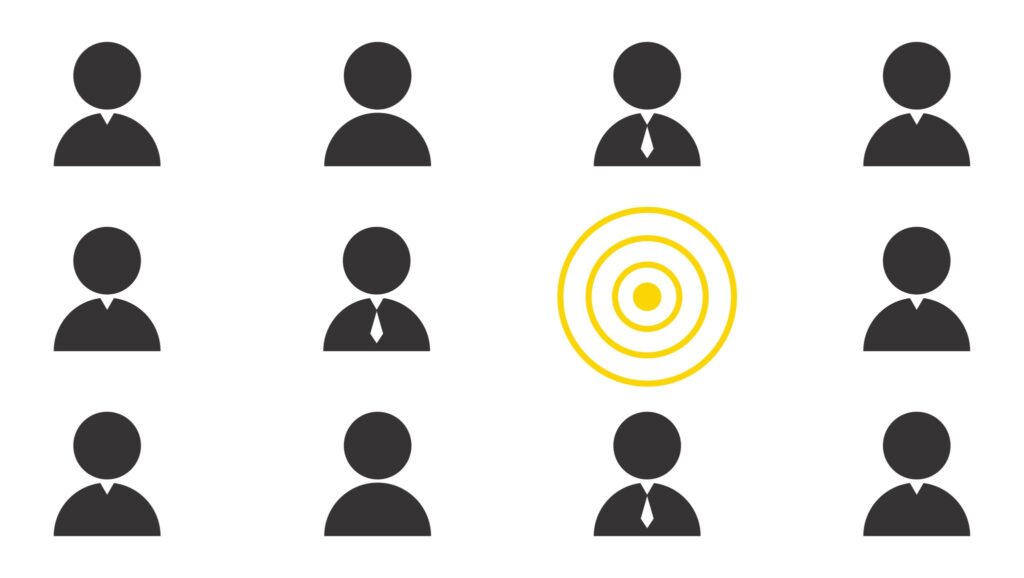
Most people don’t buy a product on the first click. Retargeting reminds users who have already shown interest in your products about them. Done right, it’s relevant and effective, not annoying. With the right timing, it is an effective driver of sales.
7. Top, Middle and Bottom of Funnel Content Matter
You need different messaging for each stage of the buyer’s journey. Cold audiences need education and awareness, warm audiences need trust and hot audiences need a nudge to buy. Tailor your messaging and audience for each stage of the funnel and don’t ignore steps in the journey.
8. You Shouldn’t Judge a Campaign by ROAS Alone
Return on ad spend (ROAS) is important, but it is not the full picture. Consider cost per acquisition (CPA), click-through rate (CTR) and the customer journey as well. Brand awareness content might not achieve large ROAS numbers, but it is an essential component in making consumers aware of your company and offerings.
9. Tracking Must Be Set Up Properly. Period.
If conversions aren’t tracked accurately, we’re flying blind. Pixel issues, GA4 misconfigurations or broken thank-you pages can make performance look worse or better than it is. While many know the importance of properly setting up their e-commerce site for a great user experience, some miss the critical “back-end” details for proper tracking. They are absolutely necessary to help track performance.
10. Boosting Posts is Not a Strategy
Boosting content can help increase engagement and reach, but it’s not a replacement for structured campaigns with clear objectives and targeting strategies. The right campaign with proper targeting, calls to action, content that connects with consumers and a team that optimizes it will always be more successful than a boosted post.

11. The Platform You Prefer Might Not Be the One That Converts Best
Just because you’re on Instagram all day doesn’t mean your customers are. Customers’ social media platform preferences can vary greatly depending on their demographics. Let data, not your personal preference, guide ad placements. Trust your digital marketing team and their data-backed experience to make the right decisions on where to place ads instead of your gut.
12. Google Ads Require Intent Alignment
If your keywords don’t match your offer or your landing page doesn’t fulfill your ad’s promise, you’ll waste money. Google users are looking for something specific. They will quickly go somewhere else if you don’t give it to them. And once they’re gone, it is extremely hard to get them back.
13. Sometimes a Low Click-Through Rate is Okay
Not every ad needs high engagement. Some campaigns are built to qualify leads. If only serious buyers click through, that’s a win, even if CTR is lower. Make sure you know what your wins are and are looking at the right metrics to analyze them. Bigger isn’t always better.
14. Campaigns Must Evolve with the Market
Trends, seasons, competitors and platform rules change constantly. Campaigns need ongoing attention, not a “set it and forget it” approach. Lower-budget digital marketing agencies often employ generic strategies and never adjust them because that takes time and effort. A constantly monitored campaign modified when needed will always outperform one left in the dark.
15. Your Ad Budget Has to Match Your Goals
Trying to drive sales with a $500 ad budget is like trying to tow a trailer with a scooter. Ambitious goals need a budget to match. Yes, digital marketing is highly cost-effective compared to other forms of marketing. However, that doesn’t mean it costs nothing. Underspending just delays results or prevents meaningful insights.
Final Thoughts
I don’t expect clients to be digital marketers, but understanding the why behind ad decisions can lead to better collaboration and outcomes. Paid digital advertising is one of the most powerful tools in your marketing arsenal, but only when approached with the right mindset, structure and expectations.
Want help creating campaigns that actually perform? Contact us to see what we can do for your brand.